Quick Answer
When weighing dental bonding vs veneers in London, ON, bonding uses tooth-coloured resin shaped in a single visit for minor chips and gaps, while veneers are thin porcelain shells crafted in a lab for a longer-lasting transformation. Bonding costs less and preserves more enamel; veneers resist stains better and last longer. Your choice depends on budget, durability goals, and how much of your smile you want to change. Crucially, either option works best on a foundation of healthy gums, because strong oral hygiene protects not just your smile but your overall wellness.
Choosing between dental bonding vs veneers in London, ON often comes down to a handful of practical trade-offs. However, there is a bigger story behind every cosmetic treatment. The health of your mouth is tied directly to the health of your heart, your blood sugar, and your whole body. At Esthene Dental Centre on Waterloo Street in North London, we help patients make cosmetic decisions that also support lasting wellness. Consequently, this guide compares both options honestly and explains why the gums beneath them matter just as much as the surface.
What Is the Real Difference Between Bonding and Veneers?
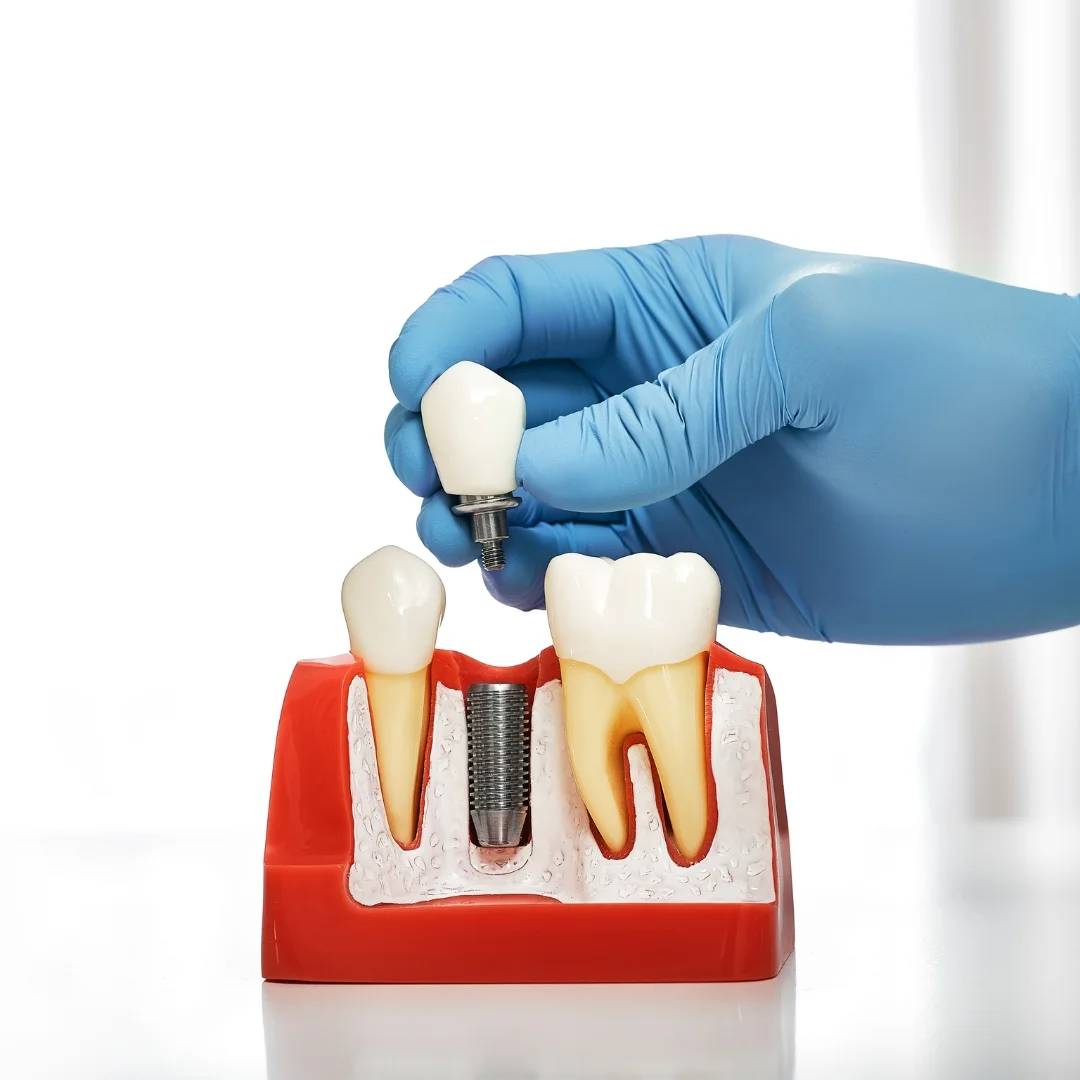
Dental bonding applies a soft, tooth-coloured composite resin directly to the tooth. Your dentist then sculpts and hardens it with a curing light, usually in one appointment. Veneers, by contrast, are thin custom shells (typically porcelain) bonded to the front of the teeth after a lab fabricates them. Specifically, bonding is additive and reversible, while veneers require a small amount of enamel to be shaped first.
According to the Canadian Dental Association, both procedures correct chips, stains, gaps, and uneven shapes. However, they differ in longevity, cost, and how much natural tooth structure stays intact. Furthermore, the right fit depends on your goals rather than one option being universally “better.”
Cost, Time, and Durability Compared
Bonding is the budget-friendly, same-day option. Additionally, it preserves nearly all of your enamel. However, resin stains over time and generally lasts three to ten years. Veneers cost more and take two visits, yet they resist staining and often last well over a decade. Consequently, patients wanting a dramatic, stain-resistant change frequently lean toward veneers, while those fixing a single chip often choose bonding.
Research supports composite as a conservative esthetic choice. A review in the Journal of Esthetic and Restorative Dentistry describes composite veneers as a conservative treatment for anterior teeth, offering broad flexibility for correcting tooth colour and shape. Therefore, bonding remains a genuinely effective solution, not merely a cheaper compromise.
Why Your Gums Decide the Outcome
Here is the part many patients overlook. Neither dental bonding nor veneers perform well on an inflamed, bleeding foundation. Specifically, cosmetic restorations rely on firm, healthy gum tissue to look natural and stay sealed against bacteria. Consequently, periodontal health is the quiet partner behind every beautiful result.
The connection runs deeper than appearances. Growing evidence links chronic gum inflammation to systemic conditions, including cardiovascular disease and poorly controlled diabetes. Furthermore, the bacteria involved in gum disease can enter the bloodstream and contribute to inflammation elsewhere in the body. Therefore, protecting your mouth is a meaningful way to protect your overall health, and it also safeguards your investment in cosmetic work.
Oral Hygiene as a Whole-Body Strategy
Daily brushing and flossing do more than brighten your teeth. Additionally, they reduce the bacterial load that strains your immune and cardiovascular systems. For patients managing diabetes, controlling gum inflammation can even support steadier blood sugar. Consequently, we treat every cosmetic consultation as a wellness checkpoint, not just a shopping list of shades and shapes.
When gum disease is already present, cosmetic treatment waits. Instead, we often begin with scaling and root planing to settle the tissue first. The Ontario Dental Association notes that cosmetic dentistry works best as part of overall oral health, not separate from it. Therefore, healthy gums come first, and the new smile follows.
Which Option Is Right for You?
Choose bonding if you want a fast, affordable, enamel-sparing fix for a chip, small gap, or isolated discolouration. Choose veneers if you want a durable, stain-resistant makeover across several visible teeth. However, both decisions should start with a thorough exam of your gums and bite. Furthermore, grinding or clenching may call for a night guard to protect either restoration.
During your visit, our dentists assess your enamel, your periodontal health, and your long-term goals together. Additionally, we discuss budget openly, and we offer flexible payment plans, direct insurance billing, and coverage through the Canadian Dental Care Plan. You can learn more about our comfort-focused practice and evening hours on our contact page and book a consultation that fits your schedule.
Frequently Asked Questions
Is dental bonding cheaper than veneers in London, ON?
Yes. Bonding is generally the more affordable option because it uses composite resin applied in one visit. However, veneers typically last longer and resist staining, so the lifetime value can even out. Consequently, we review both costs with you before any treatment.
Does dental bonding damage my natural teeth?
No. Bonding is minimally invasive and usually preserves nearly all of your enamel. Furthermore, it is often reversible. Veneers, by contrast, require a small amount of enamel to be reshaped first, so that change is permanent.
How long do bonding and veneers last?
Bonding typically lasts between three and ten years, depending on your habits and oral hygiene. Veneers often last a decade or longer. Additionally, avoiding stain-heavy foods and treating any grinding will extend the life of either choice.
Can I get bonding or veneers if I have gum disease?
Not right away. Healthy gums are essential for a lasting, natural-looking result. Therefore, we treat active gum inflammation first, often with scaling and root planing, before placing any cosmetic restoration.
Book Your Cosmetic Consultation in London
Still deciding between dental bonding and veneers? Let our team at Esthene Dental Centre help you choose confidently, with your whole-body health in mind. Call us or book online today, and ask about CDCP coverage, flexible payment plans, and our evening appointments in North London.